In your busy kitchen, accidents can happen, but with a few simple precautions, you can minimize the risk of common injuries. By mastering proper knife techniques, you can avoid unnecessary cuts and nicks. Staying mindful of burn prevention measures will help keep you safe around hot surfaces and liquids. However, there’s more to explore beyond these basics to ensure your kitchen remains a safe space for your culinary adventures.
Proper Handling of Knives
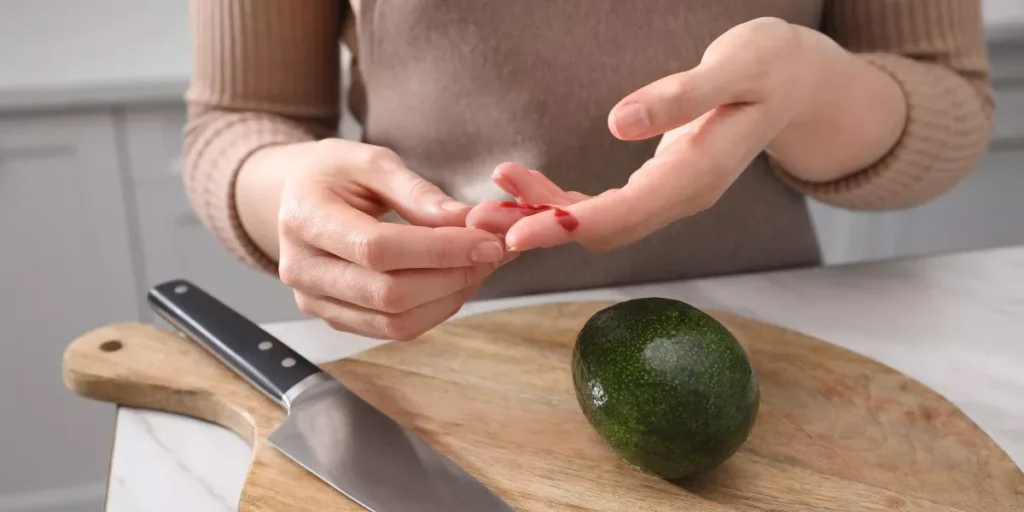
To prevent accidents, always grip the knife securely and keep your fingers tucked away from the blade while cutting. Holding the knife with a firm grip not only gives you better control but also reduces the risk of the knife slipping and causing injuries. Remember to position your fingers on the handle, away from the cutting edge, to avoid accidental cuts. When slicing or chopping ingredients, maintain a steady and controlled motion, ensuring that your fingers are safely positioned.
Another important aspect of proper knife handling is to use the right knife for the task at hand. Different knives are designed for specific purposes, so make sure you’re using the appropriate knife for slicing, dicing, or chopping. Keeping your knives sharp is also crucial for safe cutting. Dull knives require more force, increasing the chances of slipping and causing accidents. Regularly sharpen your knives to maintain their effectiveness and reduce the risk of injuries.
Preventing Burns and Scalds
When working in the kitchen, always be mindful of hot surfaces and liquids to prevent burns and scalds. To avoid burns from hot surfaces, make sure to use oven mitts or potholders when handling hot pots, pans, or baking trays. Never touch stovetops, oven walls, or other hot appliances directly. When cooking on the stovetop, turn pot handles inward to prevent accidental spills.
To prevent scalds from hot liquids, remember to handle boiling water and steam with caution. When pouring hot liquids, tilt the container away from you to avoid splashes. Always use microwave-safe containers and leave lids slightly open when microwaving to prevent pressure build-up. It’s crucial to supervise children and pets in the kitchen, ensuring they stay away from hot surfaces and liquids.
In case of a burn or scald, immediately run the affected area under cool water for at least 10-15 minutes and seek medical attention if the injury is severe. By staying vigilant and taking precautionary measures, you can significantly reduce the risk of burns and scalds in the kitchen.
Slips and Falls Prevention
Be mindful of slippery surfaces and take steps to prevent falls in the kitchen. To avoid accidents, make sure to clean up spills immediately. A wet floor is a major hazard, so keep a mop handy for quick cleanup. Additionally, consider using rugs with non-slip backing near the sink or stove to provide traction.
Another tip is to wear appropriate footwear in the kitchen. Opt for shoes with rubber soles that provide grip on smooth surfaces. Avoid walking around barefoot or in socks, as these can easily slip on spills or wet floors.
Furthermore, organize your kitchen to minimize clutter on the floor. Ensure that electrical cords are tucked away and not creating tripping hazards. Keep cabinets closed when not in use to prevent accidentally bumping into them.
Safety Measures When Using Appliances
Make sure you always read the instruction manual before operating any kitchen appliance to ensure safe usage. Familiarize yourself with the appliance’s functions, safety features, and proper maintenance procedures.
When using appliances, be mindful of loose clothing, jewelry, or long hair that could get caught in moving parts. Always unplug appliances when not in use and before cleaning to prevent accidental starts. Check for any damaged cords or plugs before plugging in an appliance and avoid using it if there are any issues.
Ensure that your hands are dry before handling any electrical kitchen appliances to reduce the risk of electric shock. Never immerse appliances that aren’t designed for it in water, and always use them on stable surfaces to prevent tipping over.
Regularly inspect appliances for signs of wear and tear, and promptly replace or repair any damaged parts to maintain safe operation. By following these safety measures, you can prevent accidents and injuries while using kitchen appliances.
Kitchen Appliances